
PRISMA QUEER LITERARY CONNECTION – ETT TVÄRNORDISKT QUEERLITTERÄRT SAMMANHANG I EN BRINNANDE VÄRLD
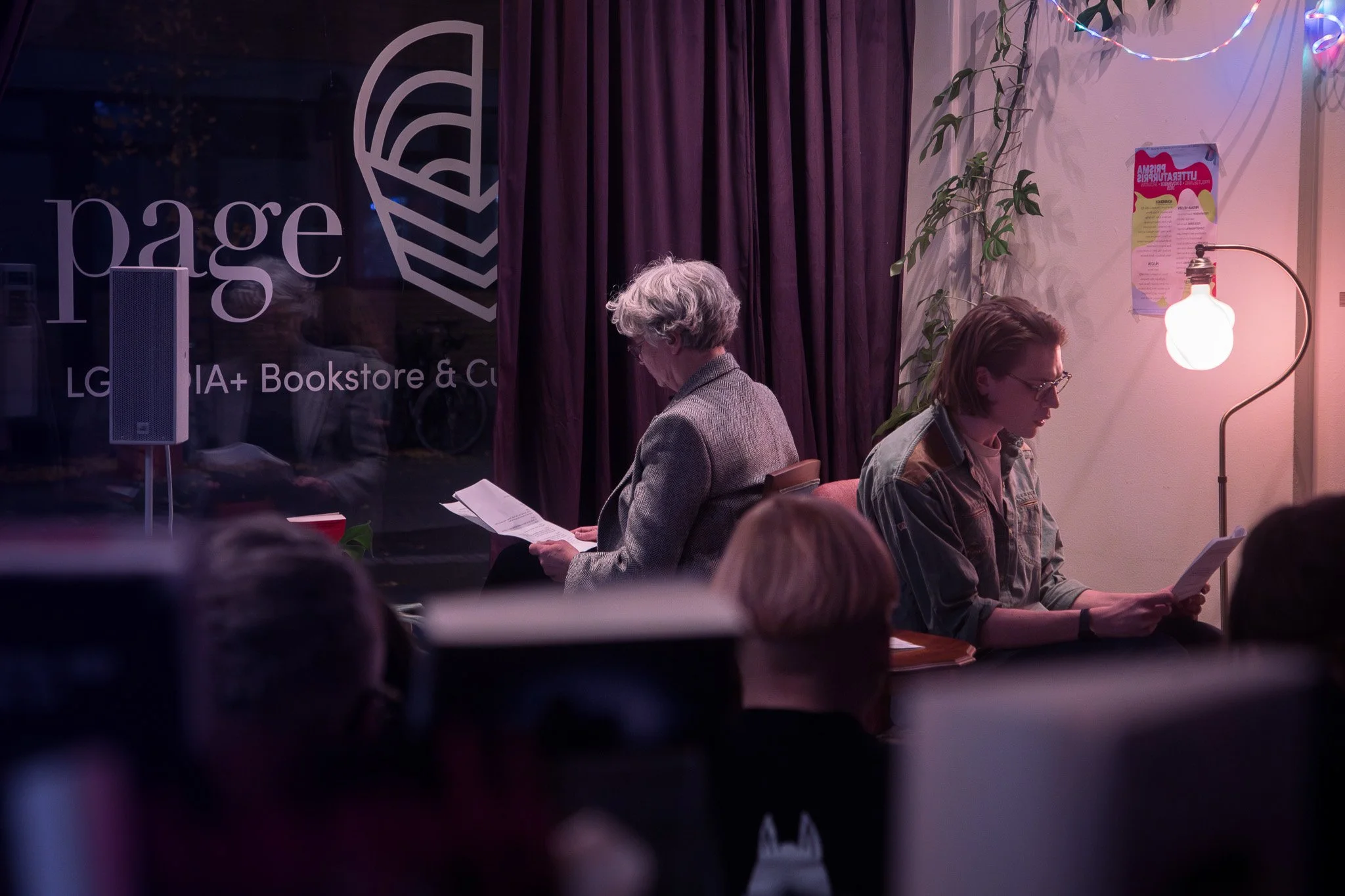
Ásdís Óladóttir och Mikko Kauppila läser A DISCUSSION ABOUT QUEER LITERATURE BY A VOLCANO på PAGE 28 den 7 november. Foto: Salomé Elliot.
15 december 2025
I november bjöds sex författare in till den första upplagan av Prisma Queer Literary Connection. Ett projekt som förde samman queerlitterära röster över de nordiska språkgränserna för ett residens utifrån frågeställningen VAD ÄR QUEER LITTERATUR?
Prisma Queer Literary Connection resulterade i ett ljuvligt och viktigt queerlitterärt sammanhang – tvärs över nordiska landsgränser och språkliga konventioner. Projektet ledde till flera knutna kontakter, personliga relationer och, inte minst, ett antal litterära verk.
Vi är stolta och glada att PQLC möjliggjort ett alldeles särskilt utrymme för queer, nordisk gemenskap och litteratur. En av författarna sammanfattar det fint:
”Knowing that I have these queer colleagues and friends scattered all over the Nordic countries gives me belief and strength to continue my writing.”
Författarna bjöds in till en residensvecka på Hedlandet i Torna Hällestad. Veckan avslutades med ett nätverksmöte och läsningar i samband med utdelningen av Prisma Litteraturpris i Malmö den 8 november.
De deltagande författarna var:
Anya Wildt, Danmark
Ásdis Óladóttir, Island
Jakub Stachowiak, Island
Lejla Cato, Sverige
Mikko Kauppila, Finland
Rana Issa, Norge
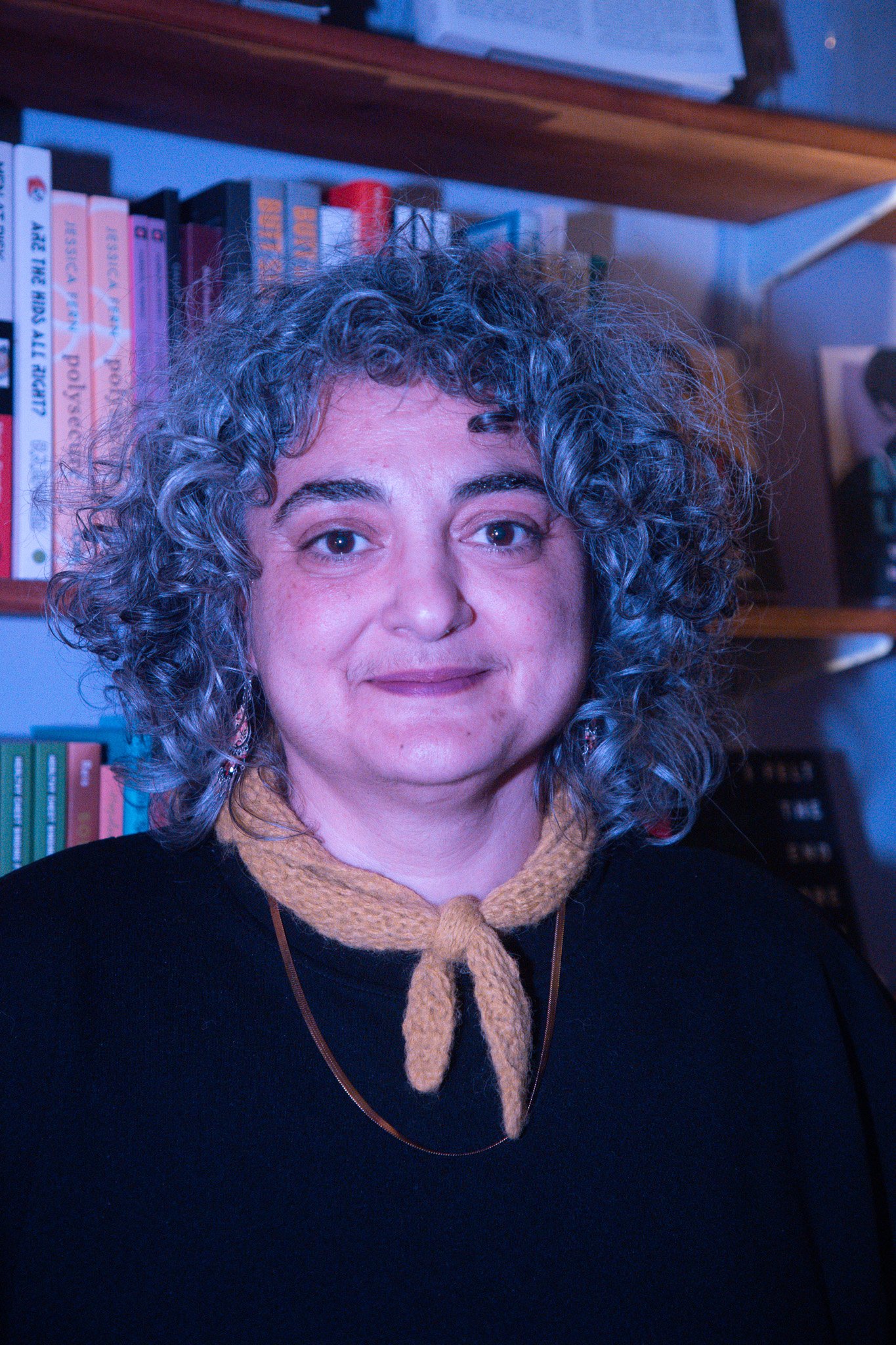
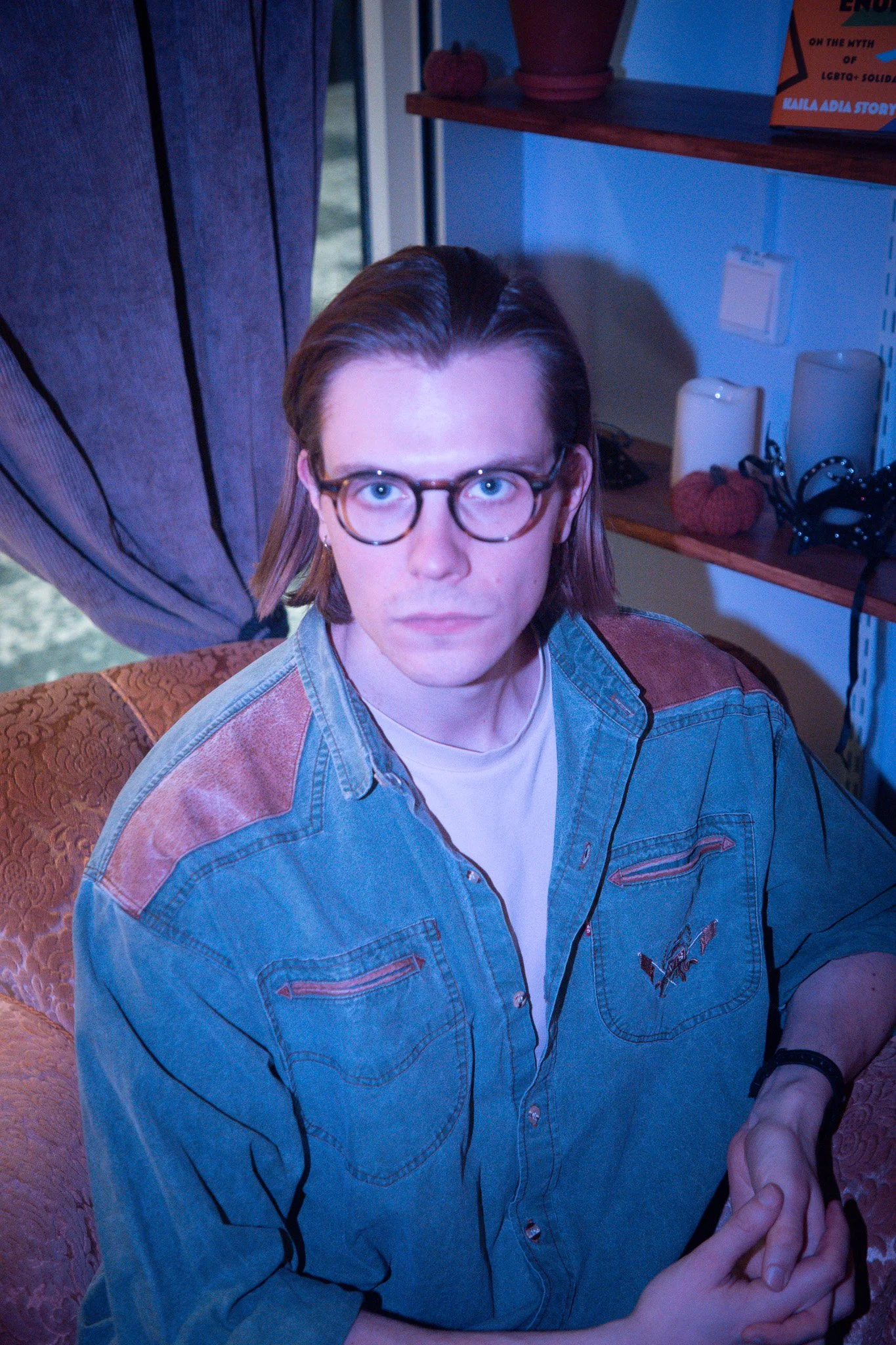
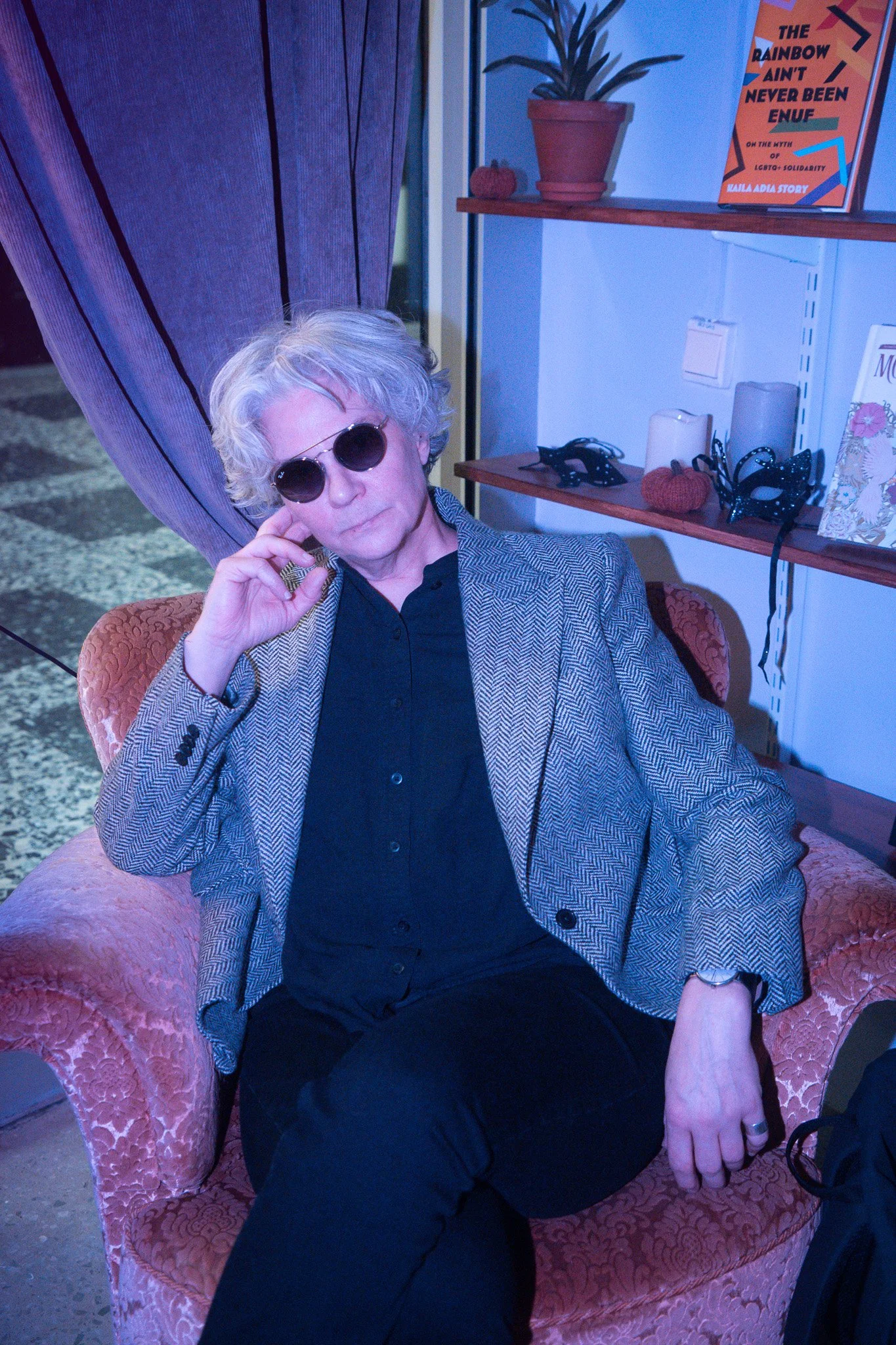
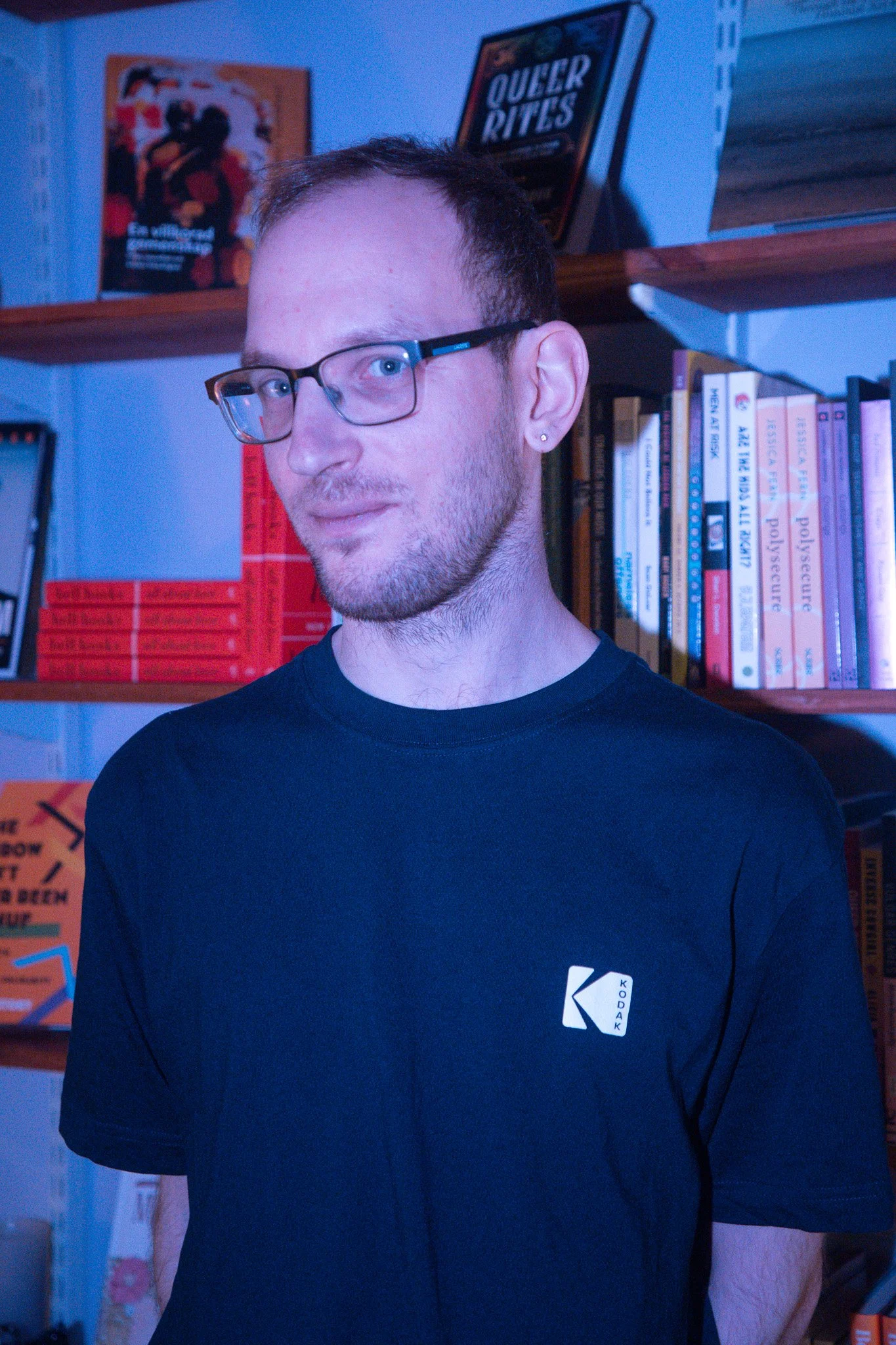
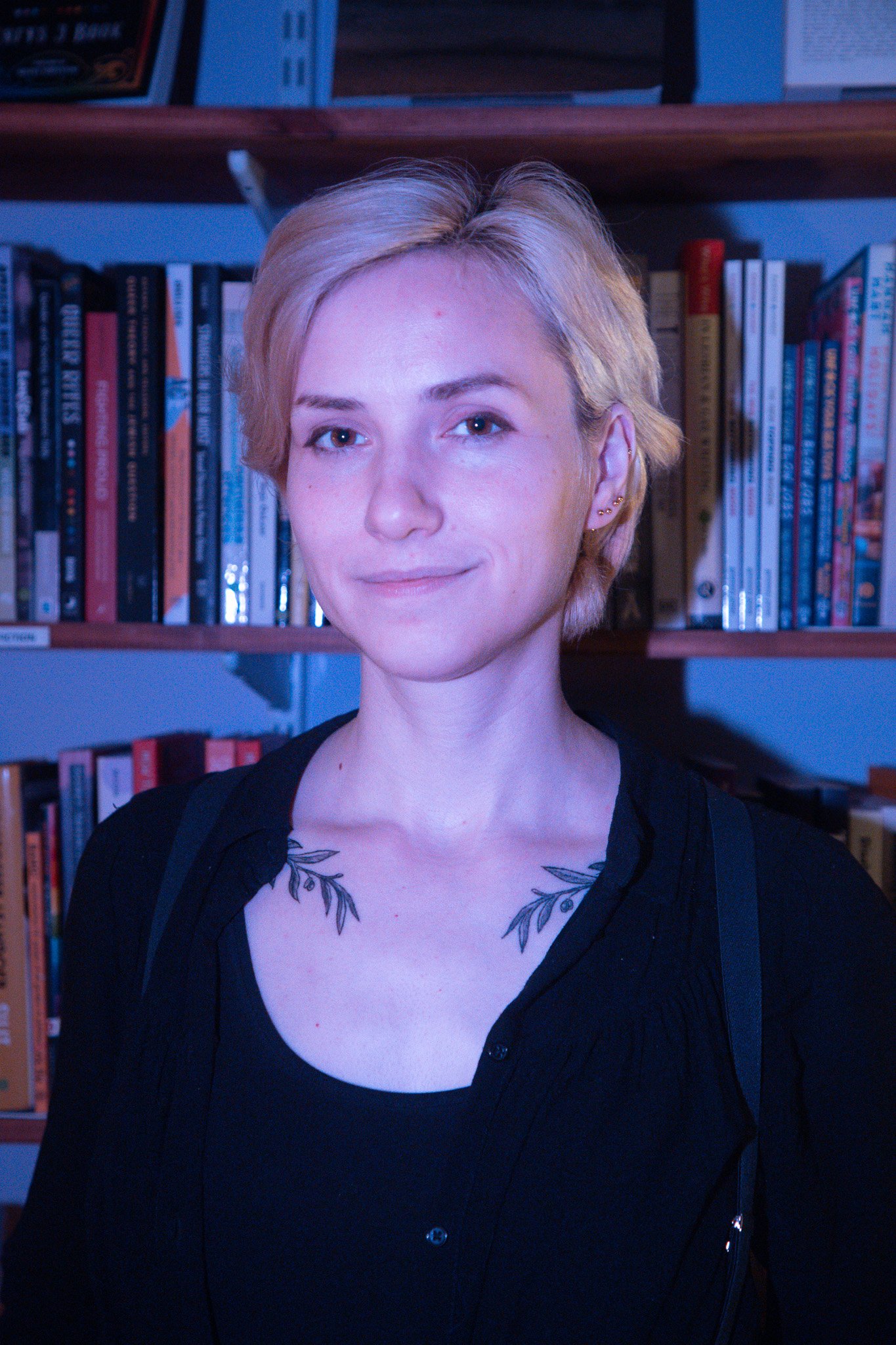
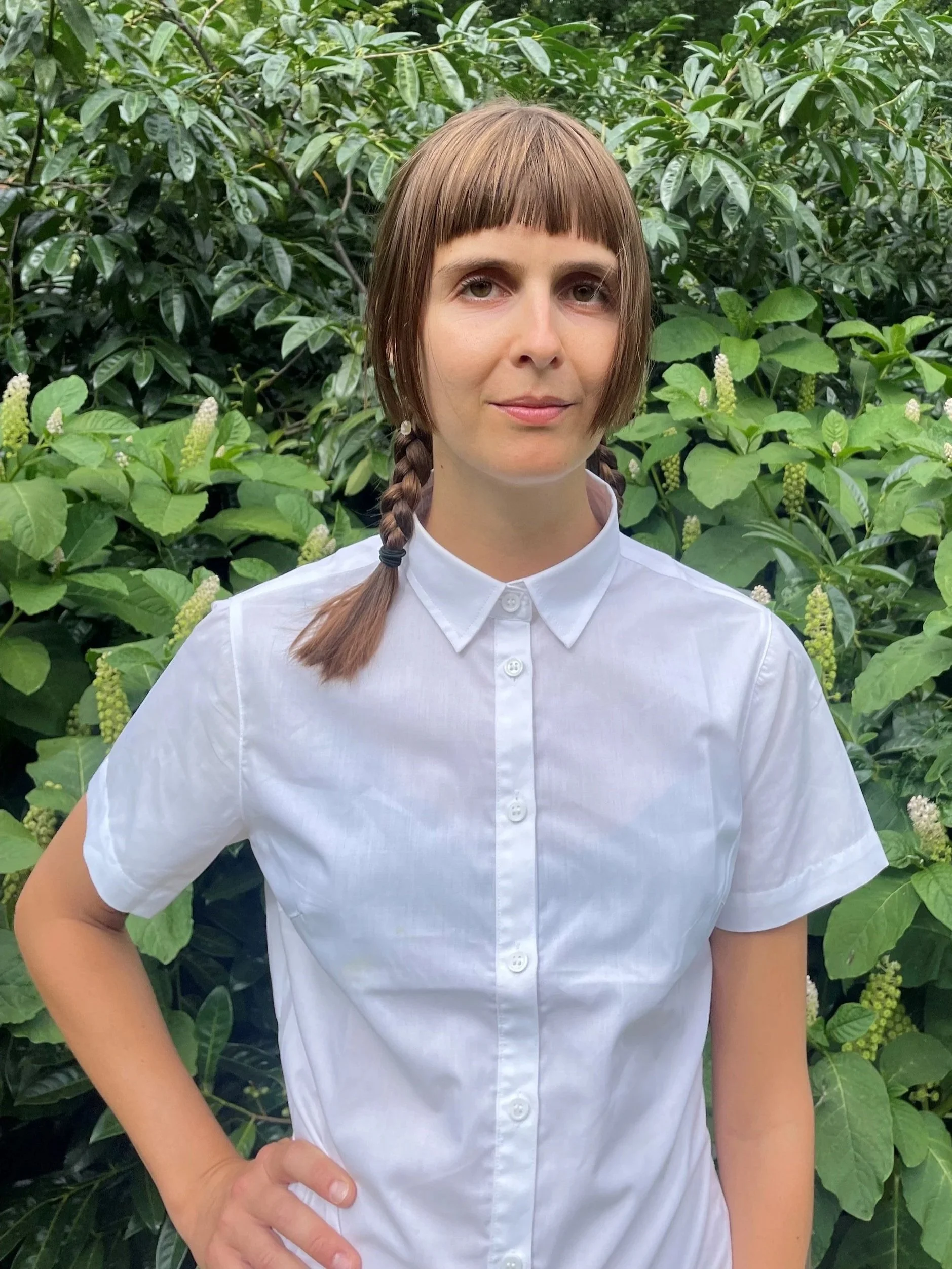
Porträttfoto Rana, Mikko, Ásdís, Jakub och Anya: Salomé Elliot. Porträttfoto Lejla: Amanda Edwall.
Röster från de deltagande författarna:
– It was amazing to be a part of this project. It was such a unique experience to get to meet fellow queer authors and bond with them in these incredible surroundings. Hedlandet is such a wonderful place that I will be thinking fondly of forever.
– For me Prisma Queer Literary Connection will work as a supporting structure for my own writing. Being a queer writer means usually being in the marginal and having minute structures that help you maintain your work. Knowing that I have these queer colleagues and friends scattered all over the Nordic countries gives me belief and strenght to continue my writing.
– Being a part of queer writing residency was vital for my growth as a queer writer and person in general. I think the existence of such opportunities is so important especially that there are so few of them.(most of art residencies are more general in nature.) To be with other queer writers and people reveals innovative ways of thinking about and approaching my own work while at the same time cements our universally shared non-heteronormative experiences. Thank you so much! <3
– It is very important for queer people in the north to meet as the world is now - share experience and talk in person.
– Hedlandet made it possible for me to think about queerness in a burning world, and I am satisfied with the writing I did there.
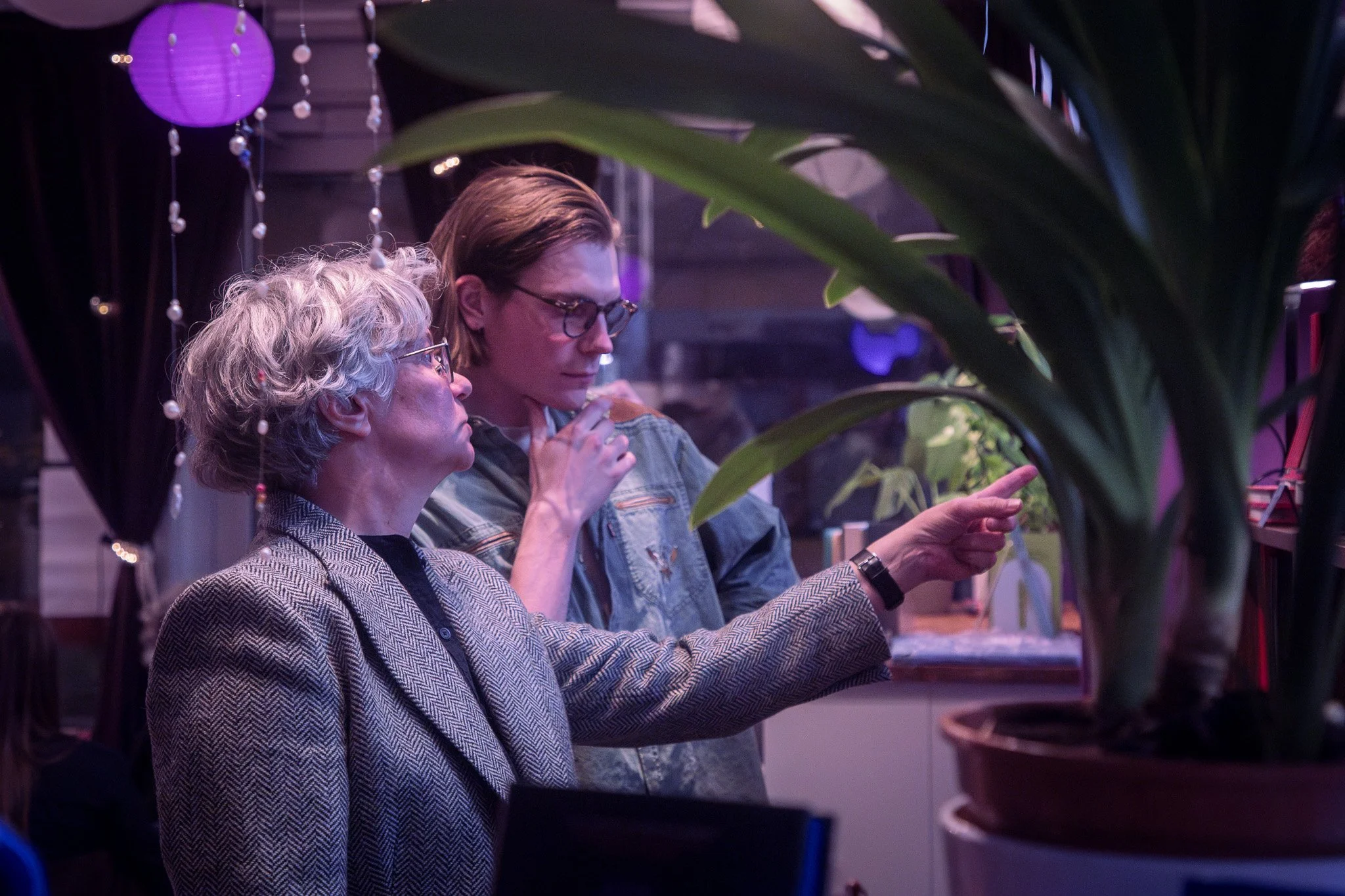
Foto: Salomé Elliot.
Text av Ásdís Óladóttir och Mikko Kauppila från residenset under Prisma Queer Literary Connection, november 2025
A DISCUSSION ABOUT QUEER LITERATURE BY A VOLCANO
(Harriet is sitting on a blanket drinking champagne, eating grapes and fresh cheese on top of Hekla, the volcano. Harry comes exhausted to the top of the volcano. Harriet invites him to share the picnic lunch. Hekla is about to erupt. The earth was shaking violently just a minute ago, but now: complete silence. The wind sleeps comfortably without making a noise, and even though they are in the dead of winter, it is still warm outside. The sun is hesitating about joining the two wanderers.)
HARRIET
What was it that you said about the volcano?
HARRY
The volcano is alive – it beats restlessly.
HARRIET
Is there something I can do to calm her?
HARRY
We just have to relax and behave.
HARRIET
How do you do that?
HARRY
Just be yourself. And show respect to every living thing. Skál.
(The volcano whispers to birds and mice.)
HARRY
We have to go now.
(HARRIET and HARRY start walking down the volcano.)
HARRY
Who are you in the first place? What is your name?
HARRIET
Harriet.
HARRY
Harriet.
HARRIET
Yes, Harriet. And what’s yours?
HARRY
Harry.
HARRIET
Harry?
HARRY
Yes, Harry. Harriet and Harry. That’s beautiful. Harriet, I hope I am not too brash, but may I ask you a question: what year were you born?
HARRIET
1947. The same year that Hekla was screaming after being silent for a hundred and two years.
HARRY
But excuse me, Harriet, when were you born exactly?
HARRIET
The same date as Julius Robert Oppenheimer and Vladimir Ilyich Lenin. The day after Queen Elizabeth was born. And the day before William Shakespeare died. How about you, Harry, how did you get born?
HARRY
I arose from the ashes of Hekla, somewhere in the countryside of southern Finland. The place was called Ylöjärvi, and I was the only queer intellect in the whole town. And where were you born?
HARRIET
It was a place with lots of flowers, crawling up through dry leaves. And a few snowflakes were falling from the page white sky, and there were Japanese erotic poems written all over them. A verdant cherry orchard was blooming in my mother’s chest, her ribs were the branches, her nipples the cherry blossoms, and one of them was stuck in my eye. That’s why I couldn’t see both my mothers holding me. Or both my mothers’ mothers, my grandmothers, which makes six mothers in total. Or was it even more. Anyway, it was a jubilee, riemujuhla. And my grandmothers’ queer friends were building a tourist information centre in the middle of the cherry orchard.
HARRY
What is your favourite food?
HARRIET
I really enjoy sushi served on naked women, Tekka Maki especially. And the women, they are swimming around me, orbiting like moons around their mother planet. They are unicorns but instead of a phallic horn, they have a tuna roll attached to their forehead. And they are serving me the tuna rolls, and why not some Sake on the side. Sake in a beautiful bowl.
HARRY
I have never met a woman like that. Are the tuna roll women from Malmö?
HARRIET
The women are shining, like moons, they bring light to every corner of the dark restaurant. All the women are from Reykjavík. They’re really heavy smokers, they smoke Camel and drink Brennivín every morning. And they work as fishermen, but I don’t want to mention the captain of the ship, I would rather discuss the trawler.
HARRY
I am not interested in trawlers or fishing. I would want to talk about literature, queer literature.
HARRIET
Oh.
HARRY
Queer literature deals with love, not fishing. But maybe sometimes hunting. Or both. But mostly it deals with identity, gender and the body.
HARRIET
The body of the captain?
HARRY
Not the captain. Or maybe the captain but in that case also the whole crew.
HARRIET
And the ship itself? Like in Maggie Nelson’s book The Argonauts?
HARRY
Forget the ship! I am trying to talk about queer literature. It tastes better.
HARRIET
Sounds reasonable.
HARRY
I am a poet and I am queer, which means I write queer literature.
HARRIET
Does it necessarily? I’m also queer but sometimes the texts I write are really normative. For example, my latest piece, which was about The Russian Revolution in 1917, it wasn’t very queer. But then again, I would say it is an entirely lesbian thing to write about The Russian Revolution.
HARRY
But you are a historian, aren’t you? I am talking about queer literature. Art.
HARRIET
I consider myself an artist. That’s my identity. I wonder if an art piece can have an identity. If a book says about itself that it is queer, can somebody from the outside take this identity away from it?
HARRY
If I say a book is queer, then it is queer! For example, when I read Cervantes’ Don Quijote, I thought it was a fascinating story of a lesbian woman struggling with her menopause.
HARRIET
I haven’t read Don Quijote. I thought it was about horses and windmills and silly old men. Can a text itself be queer or does it always demand a writer or a reader who is openly queer? Because even though I support open queerness, of course, at the same time I think that writers should have a place for privacy and intimacy. It is not their duty to talk about their personal lives publicly. I want to focus on the literature itself.
HARRY
Harriet, there is one thing I am wondering about. When I go to a bookstore, as I do every day, every morning, there’s a separate shelf for queer literature. Why can’t queer literature be among other literature. Are we not writing literature? What’s the problem? Why does it have to be marked with rainbow flags? Is it not the same thing as having a pink triangle on your shirt in a concentration camp? Are we still on the outside? Are we voluntarily freezing ourselves out?
HARRIET
I have no answer to that. All I know is that I was a bit disappointed that I didn’t find my book about The Russian Revolution in 1917 on a rainbow shelf, in the city library of Reykjavík, Borgarbókasafnið.
(Complete silence. The earth starts shaking.)
HARRIET
Can you feel it? Hekla is starting to wake up again.
HARRY
I think we are disturbing the volcano.
(The volcano murmurs. The end.)